Donsol · Sorsogon · Philippines
Donsol
Blue-Green Sanctuary
Protecting the gentle giants and their guardian community.
A Finland–Philippines living laboratory for ocean conservation, circular economy, education and sustainable community development.
Protect the coast. Educate the child. Transform the waste. Empower the community.
≈ 1.4 hectares
Ancestral beachfront estate
40 families
Existing guardian community
Finland + Philippines
Nordic innovation, local stewardship
01 · Place & purpose
An ancestral shore. A shared future.
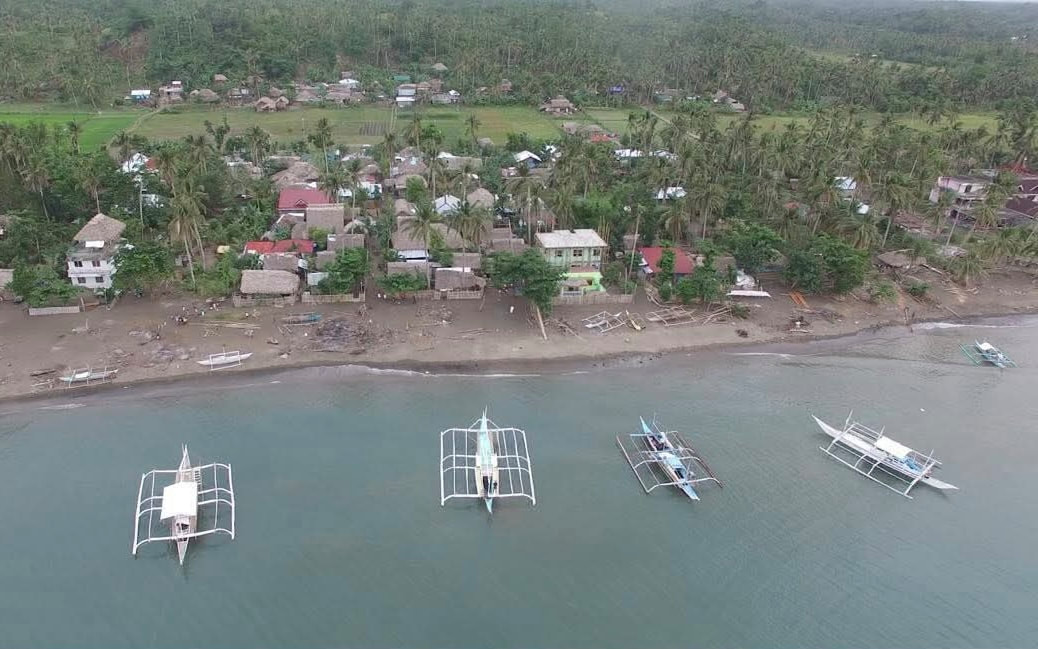
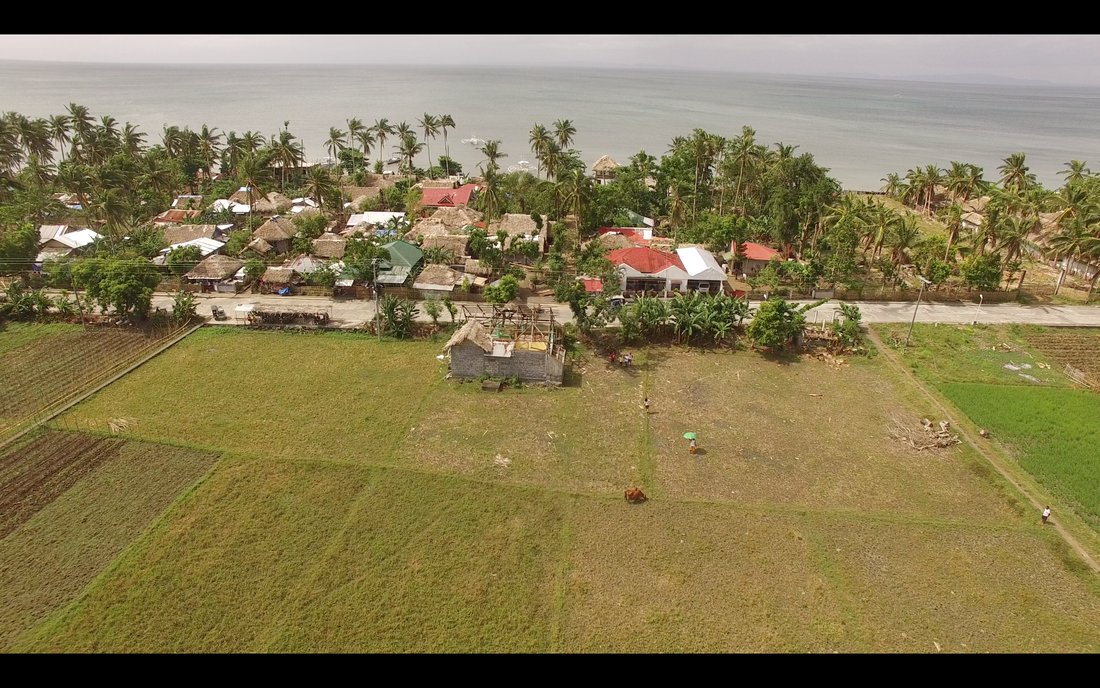
The sanctuary is rooted in a privately owned beachfront estate in Barangay Dancalan, Donsol, in Sorsogon province’s Bicol region. Once a quiet fishing village and historical shipyard hub, the area became a major destination following the discovery of whale sharks in its waters in the late 1990s.
The vision is to transform the family’s ancestral coastal property into a living model where ocean conservation, education, circular economy and community development work together — combining Filipino stewardship with Finnish circular-economy knowledge.
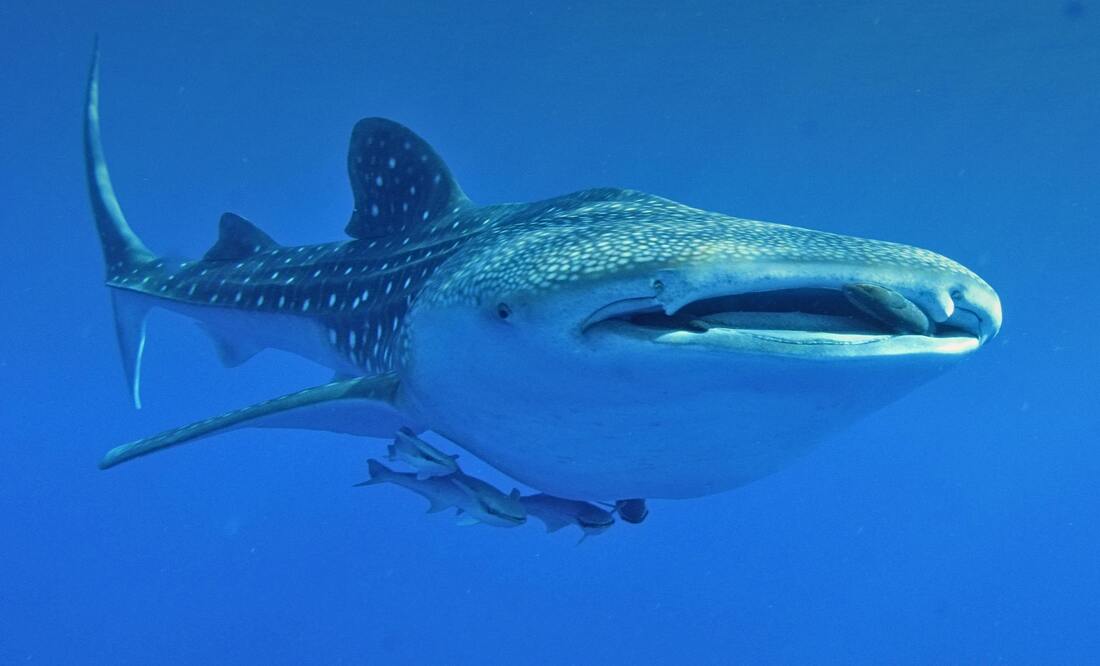
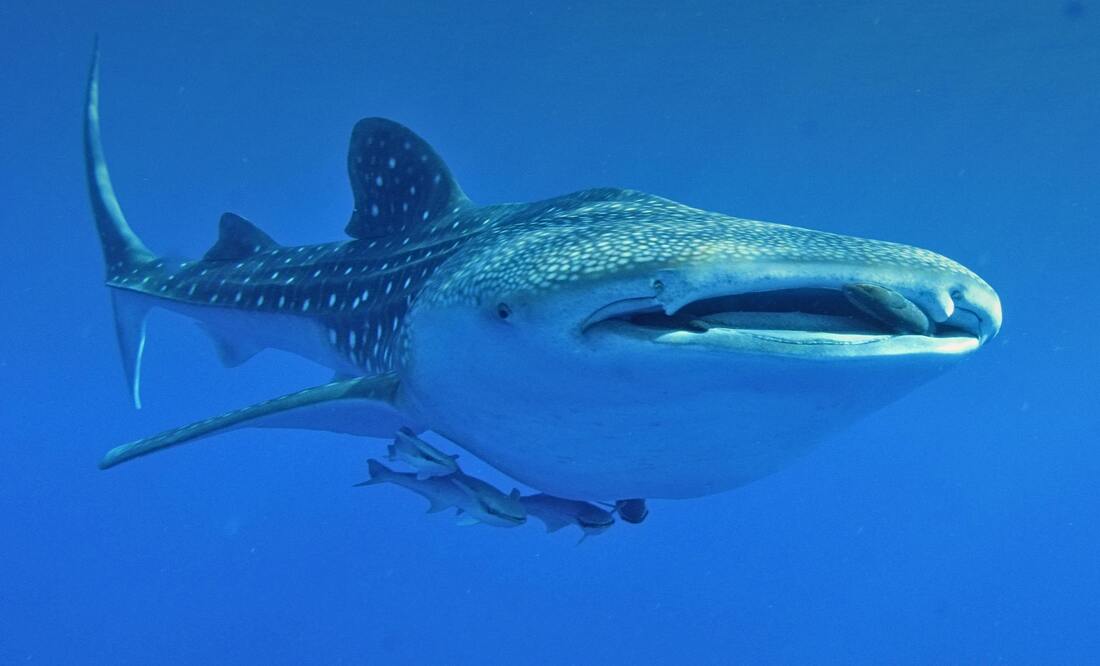
Today, tourism intersects with farming and fishing, while informal shoreline housing creates challenges for coastal health. The project’s vision is to bring local leadership together with Finnish and Scandinavian technology to protect the endangered whale shark, known locally as the butanding, and create lasting opportunities for the families who share its waters.
02 · Plastic to Purpose
From ocean waste to opportunity
Protecting the coast begins on land. Plastic collected from the shoreline and the local community should not simply be moved from one waste site to another. Through the proposed Plastic-to-Purpose Project, suitable recovered plastics would be sorted, cleaned and processed into durable products such as school desks, tables, benches, stools, recycling bins, planters and recycled-plastic panels.
Working with Finnish and Philippine technology and research partners, the programme would also let children and young people see how materials move through a circular economy. Agricultural fibres and biodegradable packaging may be explored as the project develops.
- Waste
- Collection
- Sorting
- Processing
- Design
- New product
03 · The living laboratory
Three pillars of circular excellence
The sanctuary is a developing initiative, not a completed resort. Its zero-waste, zero-carbon ambition brings together marine pollution mitigation, coastal resilience and ocean literacy, addressing UNESCO Ocean Decade Challenges 1, 2 and 6.
Circular Fiber Lab
A proposed lab would turn local agricultural waste into biodegradable packaging and create manufacturing jobs. The project targets the displacement of up to 25 tonnes of single-use plastic annually from the tourism value chain.
Resilient coastal energy
Planned hybrid wind and solar systems aim to deliver reliable clean energy and withstand strong typhoons without disturbing marine acoustics. The wider vision includes silent electric boats, or E-Bangkas, and training in electric marine propulsion.
Ocean literacy & science
An AI-powered Whale Shark Museum and STEM education center are planned to connect science, culture and conservation. Real-time marine data, immersive storytelling and international residency mentors would support youth education and biodiversity learning.
04 · Whale Shark Museum
Meet the whale shark here — responsibly
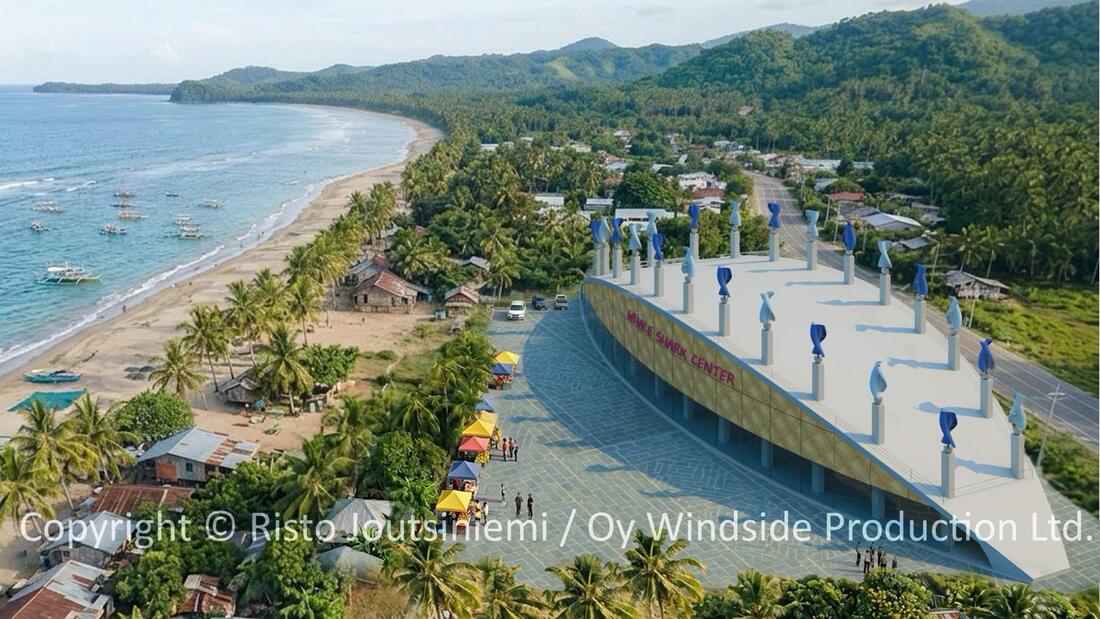
The project plans a Whale Shark Knowledge & Conservation Center powered by AI, combining science, culture, tourism and conservation. Conceived as a non-exploitative interaction center, it would turn real-time data into immersive storytelling.
“Before you meet the whale shark in the sea, meet it here — responsibly.”
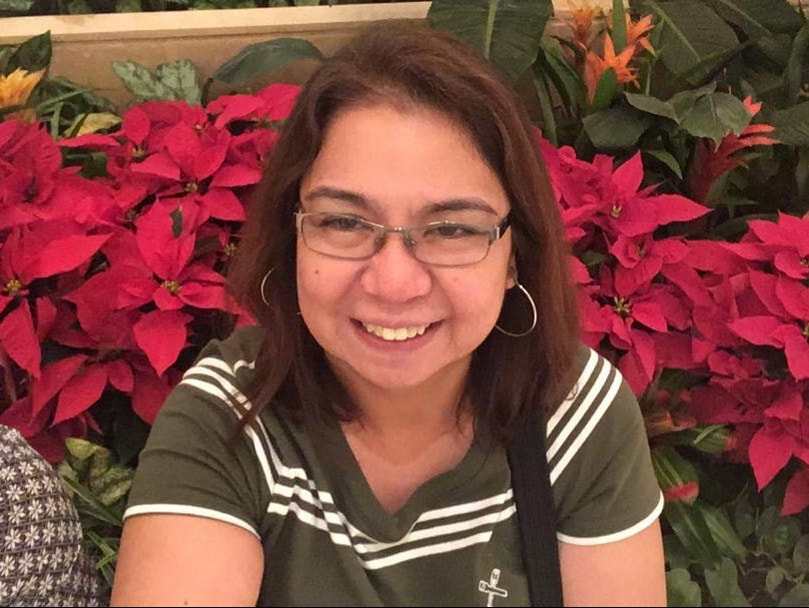
“The long-standing residents of our family estate are the true stewards of this environment. We invite you to partner with us in this vital and noble project.”
Gigie Carranza, missionary and executive director
05 · Guardian community
Conservation is a livelihood.
Led by Executive Director of Community Care Helen “Gigie” Carranza, a missionary with 27 years of community service, the vision puts residents at the center of the transition. Its “People’s Plan” aims to connect dignified housing, clean energy and sustainable income with the protection of the coast.
- Guardian Village. A planned move for the 40 existing families to typhoon-resilient, solar-powered homes at the rear of the property, with a path toward affordable, titled homeownership and alignment with the Philippine government’s 4PH housing program.
- New Guardians. Additional families, selected for commitment to marine conservation and community cooperation, would join the network with access to a Livelihood Hub offering training in electric marine propulsion, zero-waste manufacturing and eco-tourism hospitality, and a place in the smart-grid community.
- Shared opportunities. As the project develops, these may include waste collection and sorting, recycled-product manufacturing, environmental education, eco-tourism, marine conservation, sustainable food and agriculture, renewable-energy skills, and product design and craftsmanship.
These are plans described by the project; completion, unit availability and investment terms should be confirmed directly with the sanctuary team.
06 · Family & leadership
Returning. Staying. Stewarding.
The estate’s story reaches back to land held by the family since the 1800s. The project honors US Army Captain Demetrio “John” Matias, a Philippine Scouts veteran and Bataan Death March survivor, alongside Elena Marquez and the children who maintained the family’s roots in Donsol after World War II.
Ricky Carranza, Demetrio’s grandson and a Filipino creative entrepreneur based in Espoo, is the visionary behind the sanctuary. Helen “Gigie” Matias Carranza carries its mission of community care. Their work brings the family’s ancestral home into a new chapter of stewardship for the ocean, its inhabitants and the people within their care.
The project is building a Finland–Philippines network of researchers, technology companies, educators, designers, environmental organisations and community partners — spanning hybrid renewable energy and silent electric propulsion, molded-fiber packaging, Finnish design and innovation partners from the Espoo Creative Center, and Erasmus+ vocational training.
Donsol in focus
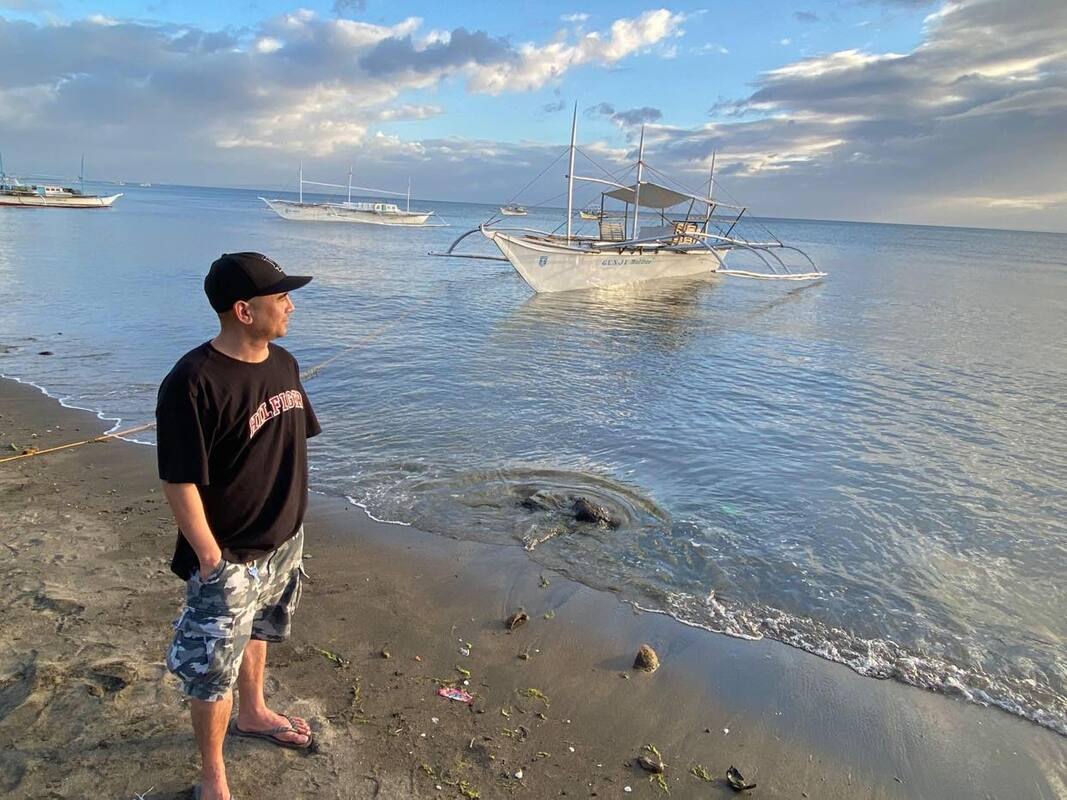
Photography from Blue-Green Sanctuary.
07 · Join the mission
A place for shared purpose
Individuals can support guardian families, education and conservation. NGOs and foundations are invited to collaborate on marine biodiversity, climate resilience and research. Companies can explore sponsorship of a Hybrid Tower, an E-Bangka or a Circular Packaging Pilot Lab.
Technology partners
Recycling, renewable energy, water, materials and sustainable construction.
Research partners
Universities, marine scientists and circular-economy researchers.
Education partners
Schools, universities, teachers, STEM programmes and Christian education organisations.
Design partners
Furniture, industrial design, architecture and recycled-material applications.
Community partners
Donsol organisations, fishermen, schools, barangays and environmental groups.
Funding & impact partners
Foundations, companies, development programmes and impact investors.
Klariksentie 4C 47 · 02250 Espoo · Finland
Project details are drawn from the sanctuary’s official website. Contact the team there for the latest development and participation information.
Other places